
6 Tips for Communicating Rent Increases Without Losing Tenants
A good tenant who pays on time and treats the place well is worth more than the extra $75 a month you might gain by pushing too hard. Turnover costs you a vacancy, a turn, and a new-tenant search — often more than a year of the increase you wanted.
Raising rent is normal as costs and the market move. The risk isn't the number; it's how you deliver it. Here are six tips for raising rent clearly, legally, and without losing the people you want to keep.
1. Research the market first
Before you set a new price, confirm it matches the local market. Run your address through a rent estimate or a zip code rent report and compare your unit to similar rentals nearby.
A tenant is far more likely to accept an increase when the data shows it's fair.
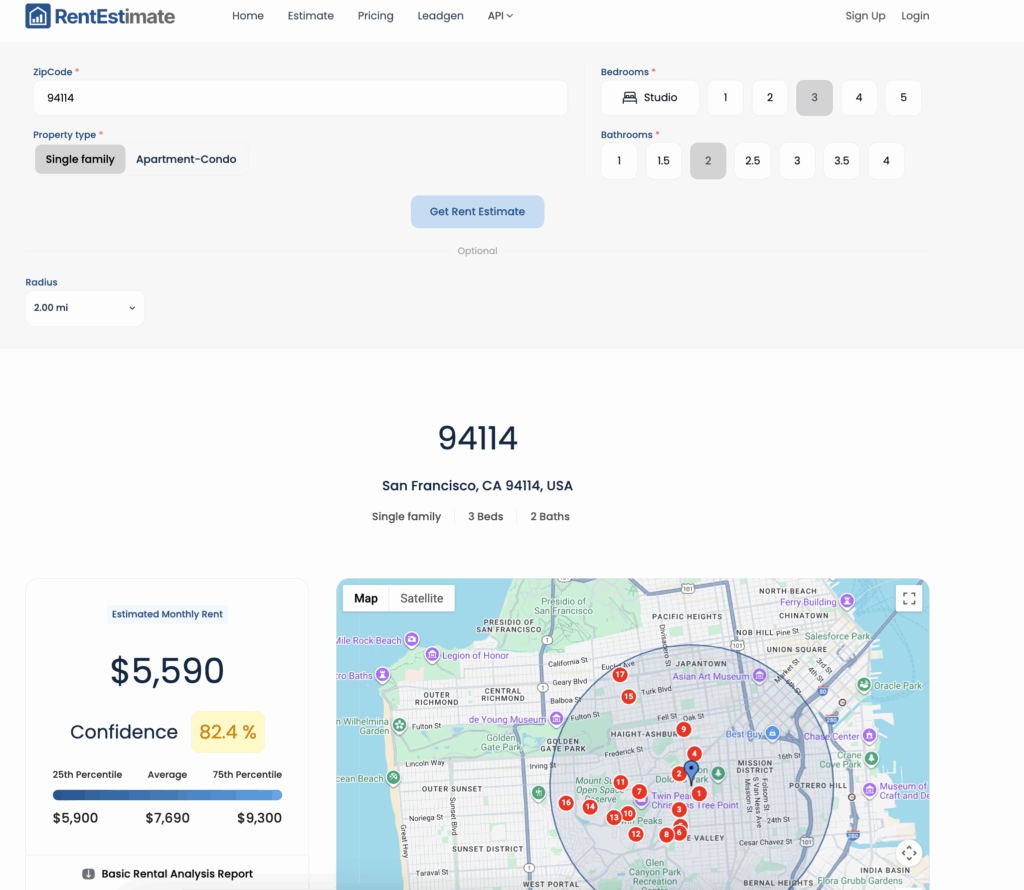
A report like this turns "I'm raising your rent" into "here's where your rent sits versus the market." That's a much easier conversation.
2. Stay compliant with local laws
Many states and cities cap how often and how much rent can rise, and set minimum notice periods. Review your local landlord-tenant rules, or consult an attorney, before you send anything.
Rent control and notice-period mistakes can void an increase entirely.
3. Put it in writing
Always send a written notice. A call or in-person chat builds trust, but a letter or email creates a clear record of the change.
That record protects both sides if a dispute comes up later.
4. Give plenty of notice
Give tenants adequate notice before the increase takes effect — typically 30 to 60 days before renewal, or whatever your local law requires.
Extra notice keeps you compliant and signals that you run the property professionally.
5. Share the data behind your decision
Tenants value transparency. Include a rent comparison report so they can see how their rent stacks up against similar units nearby.
Showing the increase is data-backed cuts pushback and builds credibility. The market sets the price, not you.
6. Keep increases reasonable
Large, sudden hikes drive turnover. If you're below market, step the rent up gradually instead of all at once.
A 3-to-5% annual adjustment is far easier for a tenant to absorb than a single 15% jump, and it keeps your best renters in place.
The takeaway
Raising rent protects your cash flow, but how you communicate it protects your tenant relationships. Research the market, follow the law, put it in writing, give notice, and show the data behind the number.
Do that and most good tenants will renew. Run a free rent estimate by address to back your next increase with real comps.